

A CMS is worth it when someone other than a developer needs to change the site regularly. If your pages change twice a year, a CMS is overhead you will pay for and never use. The question is not whether a CMS is good. It is whether anyone on your team is going to open it.
What a CMS actually gives you
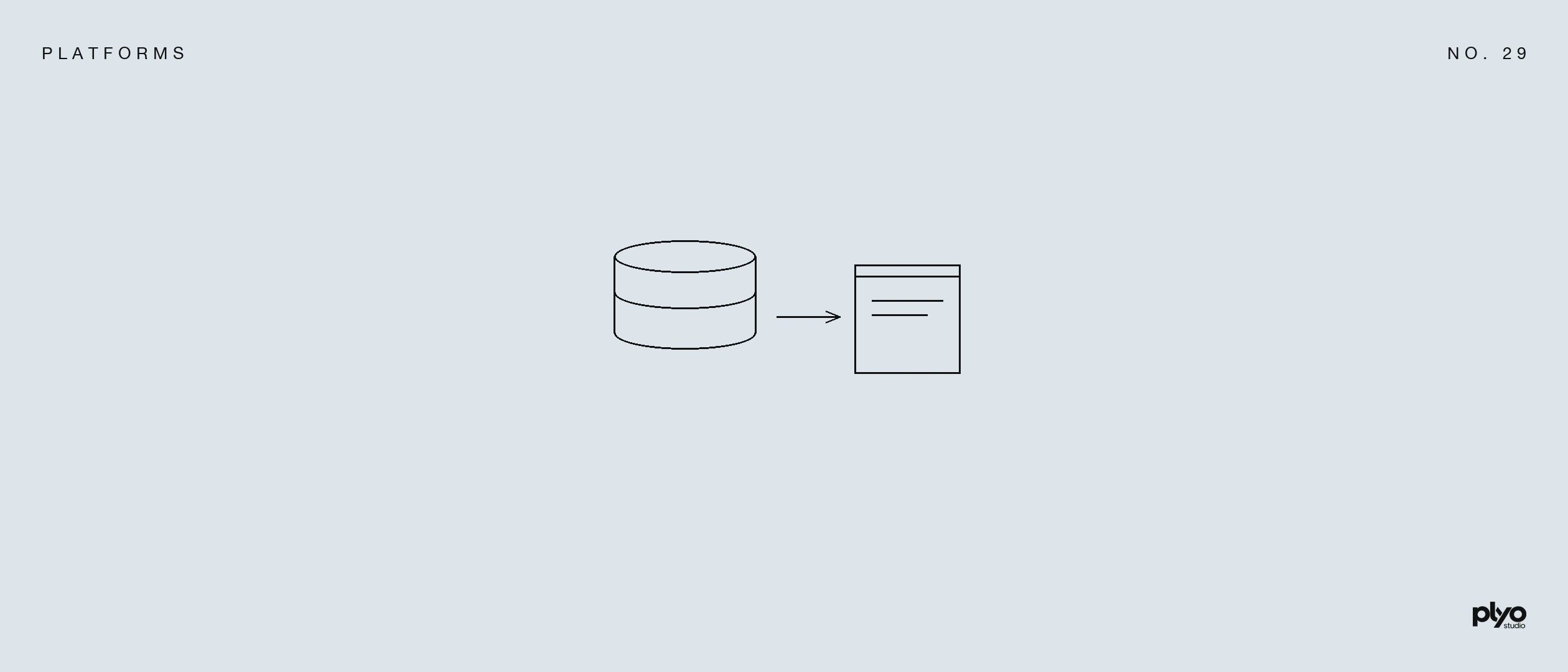
A content management system stores your content separately from your design, so the two can change independently. Add a blog post and it appears on the index, in the sitemap and in the related posts, without anyone editing a page.
That matters for content that repeats: blog posts, team members, locations, projects, products, events. It matters much less for a homepage that gets rewritten once a year.
When you need one
- You publish regularly. A blog, news, case studies or job listings.
- You have repeating content. Team bios, locations, services, products. Anything where the same layout holds different data.
- More than one person updates the site. A CMS gives you roles and a safe place to work.
- Content drives navigation. Filtering by category or location needs structured data behind it.
When you do not
- A five page site where the content is settled.
- A campaign or launch site with a short life.
- A site where one developer makes every change anyway.
In those cases the content can live in the code. It is faster, cheaper and there is nothing to maintain.
Picking one your team will use
The best CMS is the one that matches how your team thinks about the content.
Built in, like Webflow
The editor sits on the page. You click the text and change it. For marketing teams who want to see what they are changing, this wins almost every time. Webflow suits teams that publish weekly and want independence from a developer.
Headless, like Sanity or Storyblok
Content lives in its own system and is pulled into the site. Better when the same content feeds more than one place, like a website and an app. More setup, more flexibility.
Git based, like Markdown files
Content lives in the codebase as text files. Excellent for developer written content such as documentation. Not for a marketing team.
The mistake we see most
Choosing a CMS with more capability than anyone will use. A fully modelled content system with fifteen collection types, and two years later the team has published four posts and edits everything else by asking a developer.
Start with what actually changes. You can always add a collection later. Taking one away after everyone has learned it is harder.
Not sure which side of the line you are on? Tell us what changes on your site and how often, and we will give you a straight answer.