

 Branding & identity
A brand that still works at 24 pixels wide.
Logos, colour, type and the rules that keep them consistent. We design identities with the website in mind from the start, because a favicon and a mobile header are where most people will actually meet your brand.
- Logo and variants
- Colour and type system
- Guidelines included

What is a brand identity?
A brand identity is the visual system a business is recognised by, its logo, colours, typefaces and the rules for using them consistently across everything it produces.
A logo on its own is not an identity. Without defined colour, type and spacing, every new page, post and document becomes a fresh set of decisions, and the brand slowly stops looking like itself. A system answers those decisions once. We design ours to survive the places brands usually break: small sizes, dark backgrounds, and a browser tab.
- Built for screens first
- Tested small and dark
- A system, not a logo
- Colour, type, spacing
- Files you own
- Every format, source included
What a proper identity does.
Consistency is what makes a small studio look established.
-
Recognition
The same colours and type in the same places is how people start to remember you.
-
Faster decisions
Nobody has to pick a blue again. The system already answered it.
-
A website that holds together
Design tokens come straight from the brand, so the site is consistent by construction.
-
Credibility
Considered branding is one of the few cheap signals of a serious business.
-
Works everywhere
Social, documents, signage and invoices, not just the homepage.
-
Survives new hands
Guidelines mean the next designer continues the brand rather than reinventing it.
What you actually need.
The difference between buying a logo and getting an identity.
| Area | Brand system by Plyo | A logo on its own |
|---|---|---|
| What you get | Logo, colour, type, spacing and rules | One mark, a few files |
| Small sizes | Tested as a favicon and an app icon | Often illegible below 32px |
| Dark backgrounds | Variants designed for both | One version, hopefully it works |
| New pages later | The system already answers it | A fresh decision every time |
| Website handover | Design tokens ready for code | Hex codes in an email |
| Consistency over time | Guidelines keep it honest | Drifts within a year |
What a brand project covers.
Scoped to what you need, a full identity, or a refresh of what you already have.
Get a quote- Discovery Who you are for, who you are against, and what you want to be known for.
- Direction Two or three distinct routes, not fifty variations on one idea.
- Logo and variants Primary, stacked, icon-only and single-colour, for every context.
- Colour system Primary, secondary and neutrals, checked for contrast and accessibility.
- Typography Typefaces and a scale that works on a website, not just a poster.
- Guidelines A document covering usage, spacing, do and do not.
- Source files Everything in editable form, plus exports in every format you need.
A brand project suits…
-
New businesses
Starting properly rather than picking something to replace later.
-
Outgrown identities
A logo made in a hurry years ago that no longer fits.
-
Pre-website
Getting the brand settled before the site is designed around it.
-
Inconsistent teams
Three versions of the logo and nobody sure which is current.
Projects with brand work.
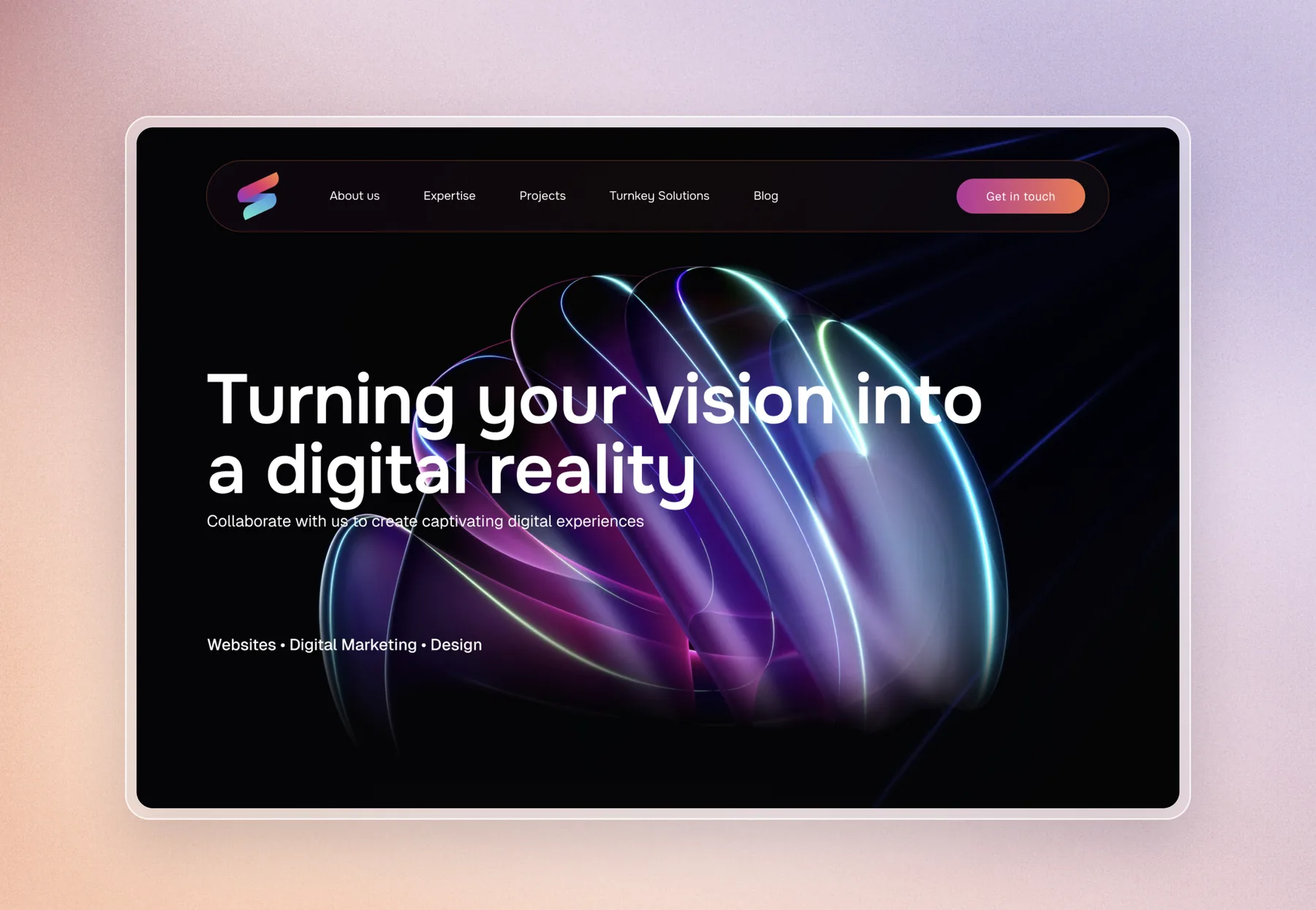
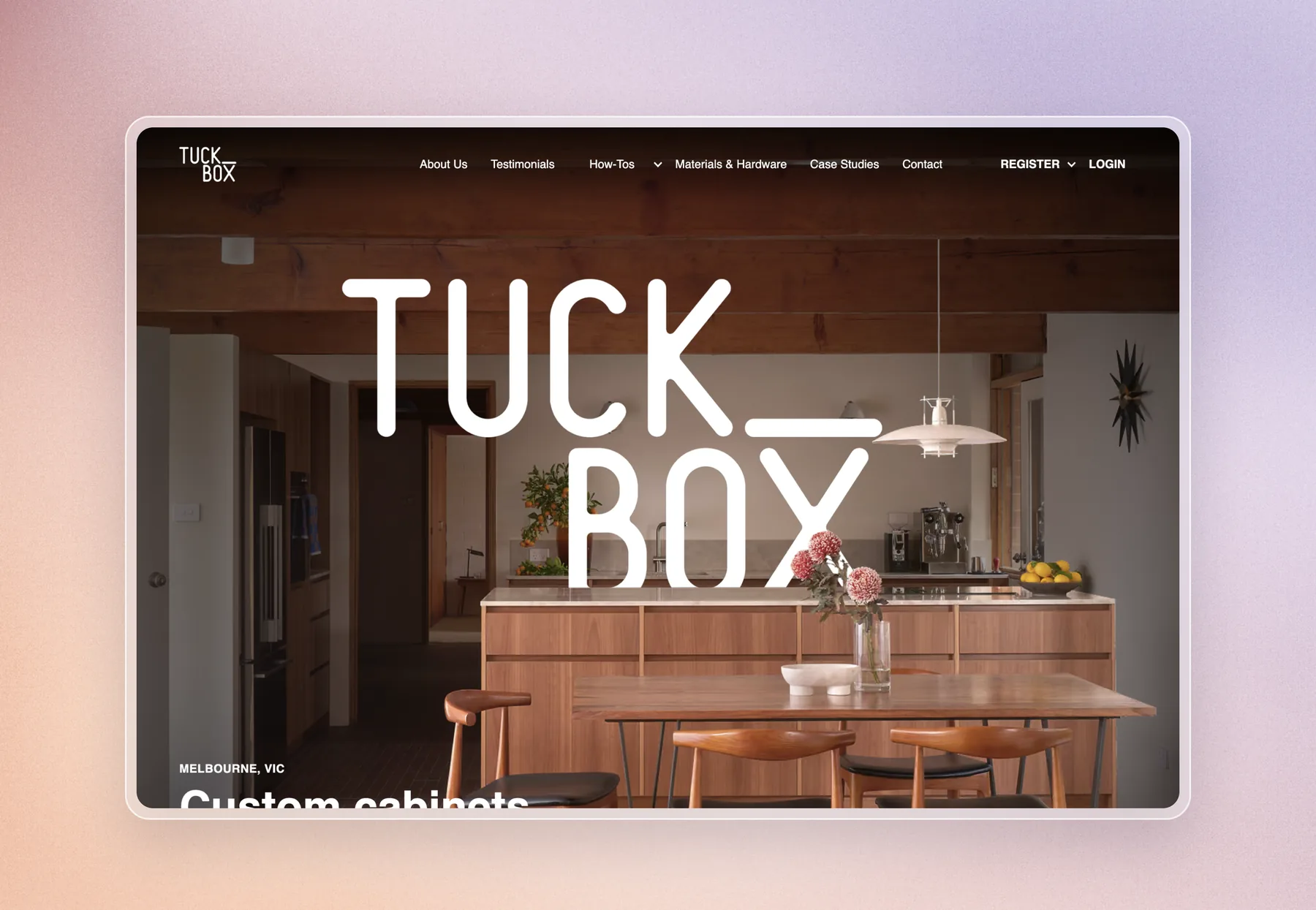
Identities carried through into the websites built on them.
Explore our other services.
Updated
Branding & identity FAQs.
The questions we get asked most about branding & identity.
Ask a question
How much does a logo and brand identity cost?
A focused identity (logo, colour, type and basic guidelines) starts in the low thousands. A full system with extended guidelines, applications and brand assets costs more. We quote on what you actually need rather than a fixed package.
What is the difference between a logo and a brand identity?
A logo is one mark. A brand identity is the whole system: the logo and its variants, colour, typography, spacing and the rules for using them. The system is what keeps you looking consistent as you grow.
How long does a branding project take?
Three to six weeks for most identities. Discovery and direction take the first couple of weeks, then refinement, then guidelines and files.
Do I own the logo and files?
Yes, entirely. You get the source files, every export format you need, and full ownership. There are no licences and nothing held back.
Can you refresh our existing brand rather than start over?
Often that is the better call. If the mark has equity, we keep what is recognisable and fix what is not working, usually colour, type and consistency rather than the logo itself.
Will the brand work on our website?
That is the first thing we design against. We test marks as favicons and app icons, check colour contrast for accessibility, and deliver design tokens so the site is built from the identity rather than approximating it.
Do you design brand assets beyond the logo?
Yes. Social templates, document and proposal layouts, email signatures, signage and anything else the brand has to live on.
Custom Astro websites. Built on Cloudflare.
Plyo Studio is an independent web studio that designs and builds fast, search-ready websites, web apps and interactive maps. Sites are custom-built in Astro and hosted on Cloudflare, so they load quickly and are easy for search engines and AI answer engines to read.
Founded by Chloe Nixon, a full stack developer and UI/UX designer from Australia, and Micky, a software engineer from New Zealand. Clients work directly with the founders from the first call to launch. Typical work: custom websites, migrations off Webflow, WordPress, Wix and Squarespace, web apps, and interactive maps and GIS. Projects are quoted at a fixed price before work starts.