


 Application development
Web apps for the work a website cannot do.
Customer portals, dashboards, booking systems, internal tools. Plyo designs and builds the applications businesses run on. The ones people open every morning rather than visit once.
- Designed and built in-house
- Built around real workflows
- Yours to own
What is a web application?
A web application is software that runs in a browser rather than being installed. Users log in, work with their own data, and the application responds to what they do.
The line between a website and a web app is what happens after someone arrives. A website shows the same thing to everyone. An application knows who you are, shows your data, and lets you change it. That difference brings accounts, permissions, a database and state to manage, which is why it is a different kind of project, with a different shape.
- Runs in the browser
- Nothing to install
- Knows who is asking
- Accounts and permissions
- Built on your data
- Your workflows, your rules
Why build rather than buy.
Off-the-shelf is usually right. Here is when it is not.
-
It fits your process
Software shaped around how you work, instead of changing how you work to fit the software.
-
One tool, not seven
Replace the spreadsheet, the shared inbox and three subscriptions with one place.
-
No per-seat tax
Adding your twentieth user does not add twenty times the cost.
-
Your data stays yours
In your database, exportable, not hostage to a vendor.
-
Integrates with what you run
Accounting, CRM, inventory and payments wired together properly.
-
Becomes an asset
A tool nobody else has is a reason customers stay.
Build or buy?
An honest comparison, including where buying wins.
| Area | Custom application | Off-the-shelf SaaS |
|---|---|---|
| Fit to your process | Built around it exactly | You adapt to the tool |
| Cost shape | Higher up front, flat after | Low to start, grows per seat |
| Time to running | Weeks to months | Same day |
| Your data | Yours, in your database | In their account, on their terms |
| Changes later | Whatever you need | Whatever is on their roadmap |
| Best for | Processes that are your advantage | Problems everyone has the same way |
How we build applications.
Shipped in stages, so you are using something useful long before everything is finished.
Get a quote- Discovery and scoping What the tool must do on day one, and what can wait.
- UX and interface design Every screen and state designed before it gets built.
- Application development Next.js and TypeScript, with a data model that fits the work.
- Accounts and permissions Sign-in, roles and access rules for who can see and do what.
- Integrations Accounting, CRM, payments, email or whatever it has to talk to.
- Hosting and deployment Deployed to Cloudflare, with backups and monitoring.
- Support and iteration Training, documentation and a plan for the next release.
A web app makes sense when…
-
A spreadsheet runs the business
Critical process held together by a file people email around.
-
Customers need a portal
Clients asking where things are, repeatedly, by phone.
-
Your data is your product
Information worth giving people a proper interface to.
-
Nothing off the shelf fits
Evaluated the options and they all need too much compromise.
Platforms built this way.
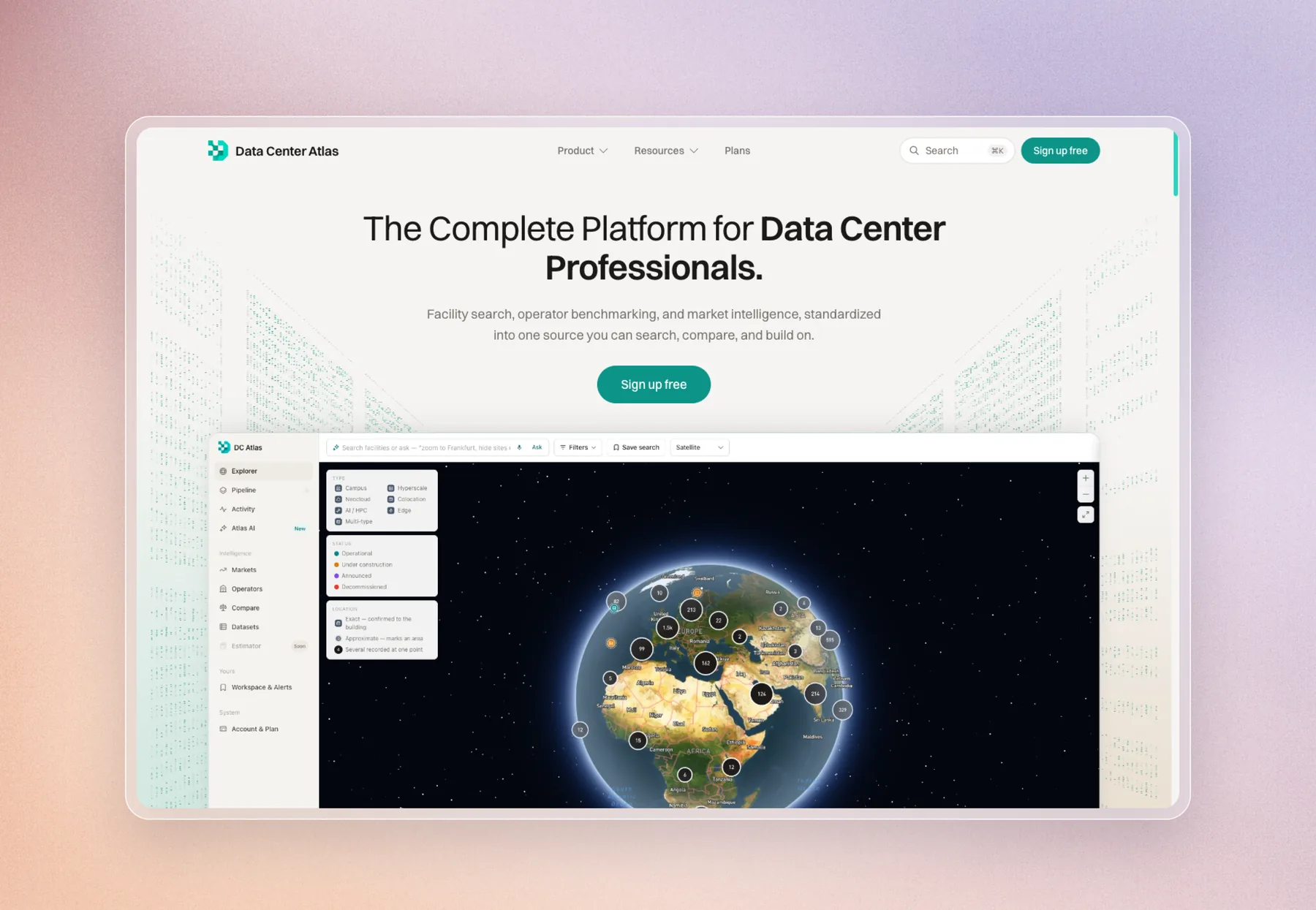
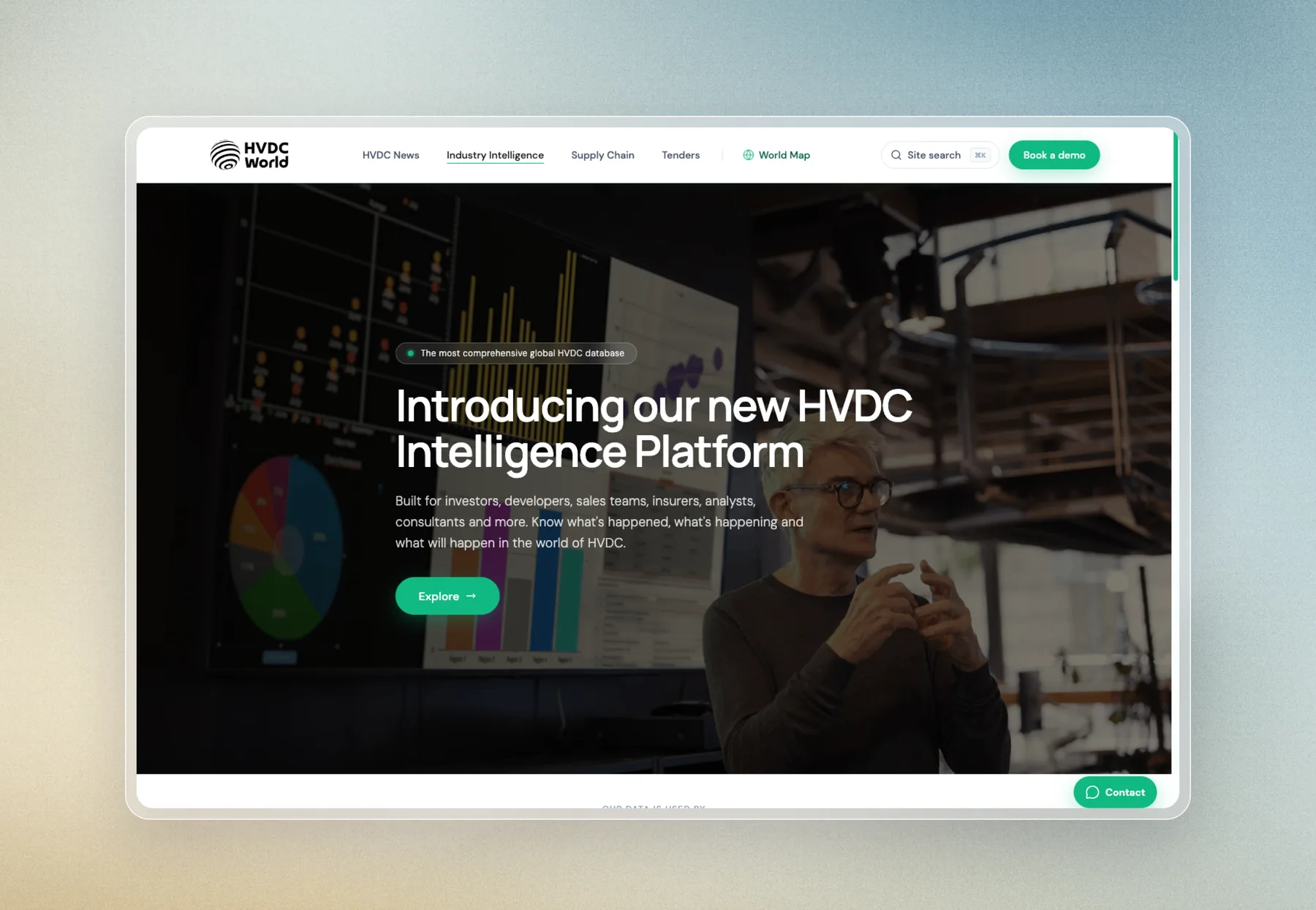
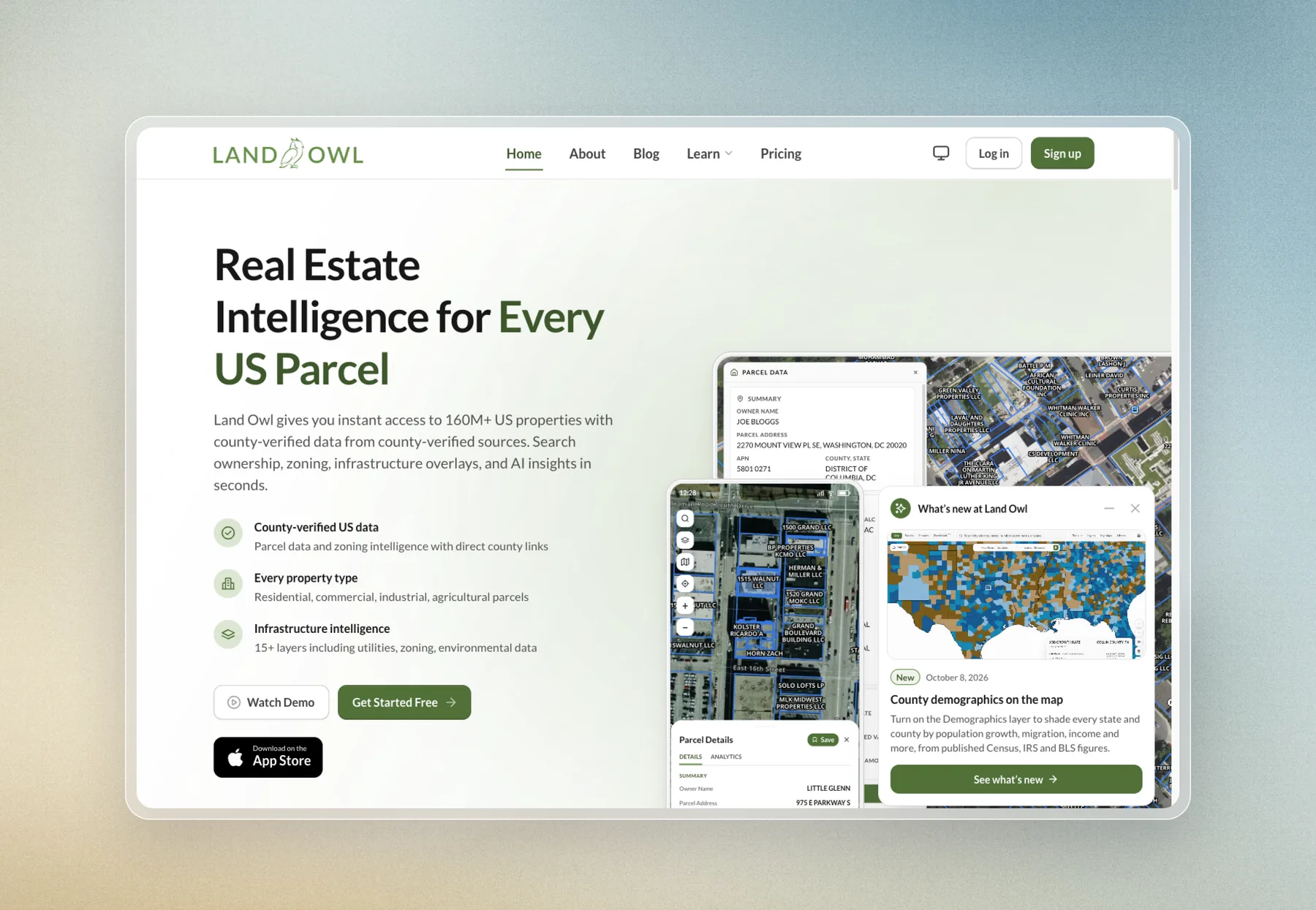
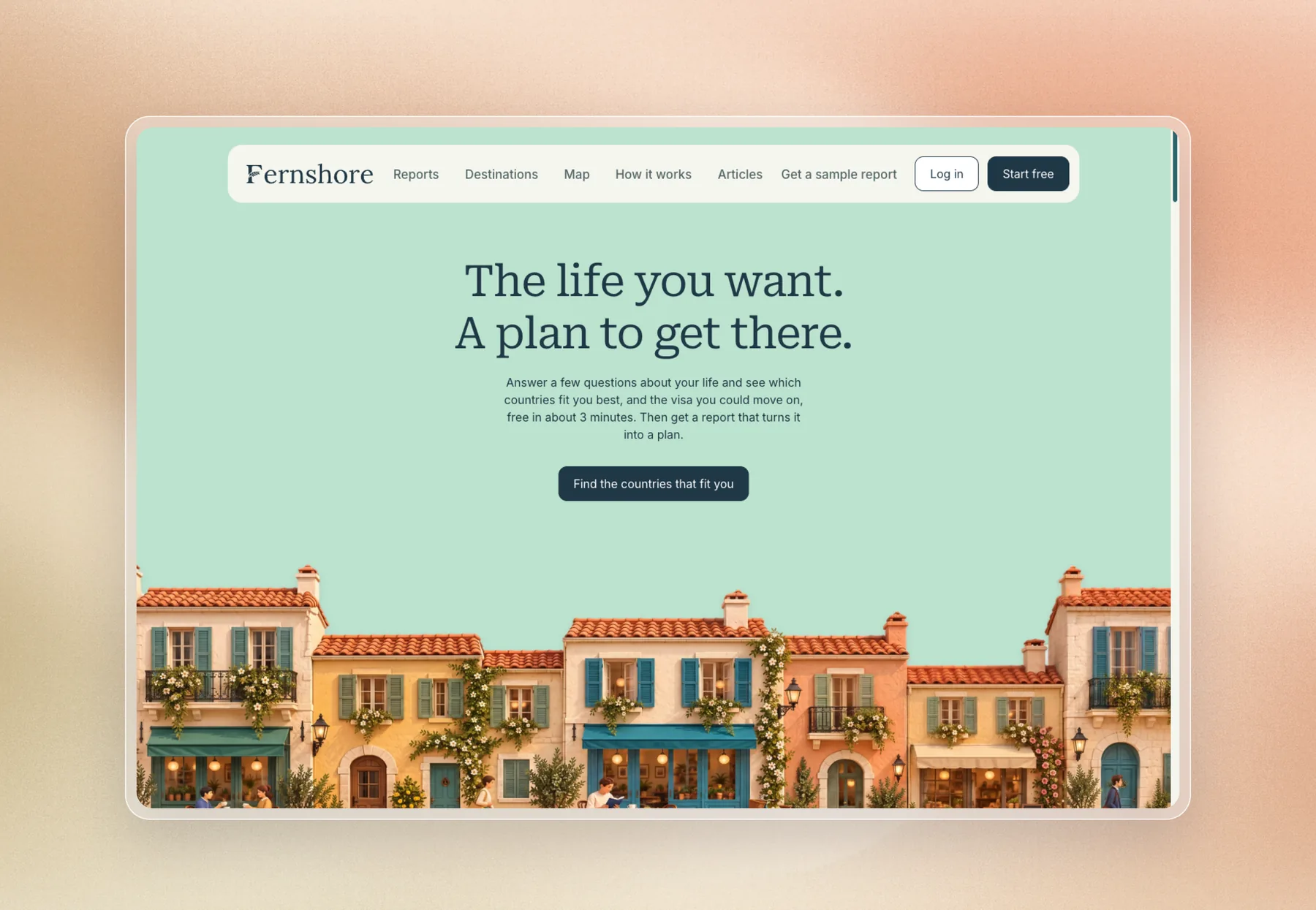
Data platforms with search, accounts and a lot going on behind the interface.
Explore our other services.
Updated
Application development FAQs.
The questions we get asked most about application development.
Ask a question
What is the difference between a website and a web application?
A website shows the same content to everyone. A web application knows who is logged in, shows that person their own data, and lets them change it. That brings accounts, permissions and a database, which makes it a different kind of project.
How much does a custom web application cost?
A focused internal tool starts in the tens of thousands. A customer-facing product with accounts, payments and integrations costs more. We scope a first release that is genuinely useful and build from there, rather than quoting everything at once.
How long does it take to build a web app?
A first working release usually takes eight to sixteen weeks depending on scope. We ship in stages so you are using something real well before the full feature set is done.
What do you build web applications with?
Next.js and TypeScript on the front, with a database chosen to fit the data, deployed to Cloudflare. It is a stack with a deep talent pool, so you are never locked to one developer.
Should I build custom software or buy something?
Buy, if a product already solves your problem the way you work. Build when the process is your competitive advantage, when per-seat pricing has become painful, or when every option needs compromises you cannot live with.
Can you integrate with the systems we already use?
Yes. Accounting, CRM, inventory, payments and email are the usual ones. If a system has an API, it can usually be connected.
Who owns the application when it is finished?
You do. The code, the data and the accounts. We hand over documented code and a walkthrough so another developer could pick it up.
Custom Astro websites. Built on Cloudflare.
Plyo Studio is an independent web studio that designs and builds fast, search-ready websites, web apps and interactive maps. Sites are custom-built in Astro and hosted on Cloudflare, so they load quickly and are easy for search engines and AI answer engines to read.
Founded by Chloe Nixon, a full stack developer and UI/UX designer from Australia, and Micky, a software engineer from New Zealand. Clients work directly with the founders from the first call to launch. Typical work: custom websites, migrations off Webflow, WordPress, Wix and Squarespace, web apps, and interactive maps and GIS. Projects are quoted at a fixed price before work starts.