

Most custom marketing websites take six to twelve weeks from kickoff to launch. A one page site can be done in two. A large site with a CMS, a migration and custom functionality is usually three to five months. The range is wide because the build is rarely what slows a project down.
What the weeks are actually spent on
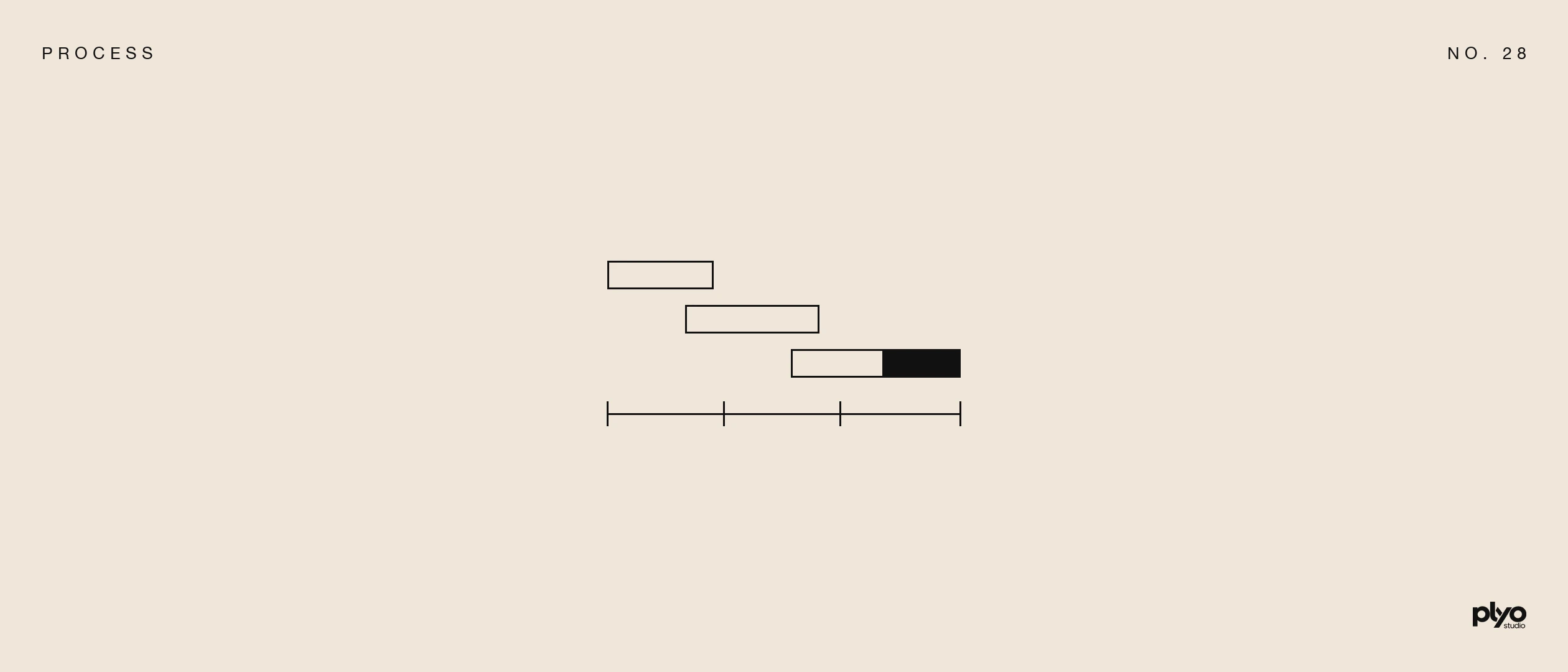
A typical eight week build breaks down roughly like this.
| Stage | Time | What happens |
|---|---|---|
| Discovery | 1 week | Goals, audience, sitemap, what the site has to do |
| Design | 2 to 3 weeks | Key pages designed for desktop and mobile, then the rest |
| Build | 2 to 3 weeks | Components, pages, CMS, forms, integrations |
| Content | Runs alongside | Copy, images, product or team data |
| Testing and launch | 1 week | Browsers, devices, redirects, analytics, handover |
Design and build overlap less than people expect. Building from a half approved design means building twice.
The three things that set the real timeline
1. Content
This is the single biggest cause of delay, and it is almost always the client side. If the copy for fourteen pages does not exist yet, the site cannot launch no matter how finished the build is. Write the content early, or budget for someone to write it.
2. How many people approve things
One decision maker is fast. A committee of five, each reviewing in their own time, adds weeks to every round. Agree up front who signs off and how long they get.
3. Whether it is a rebuild or a replatform
A new site on a new domain is simple. Moving an existing site means crawling every URL, mapping redirects and testing them before launch. Add two to four weeks.
What you can do to make it faster
- Write your content, or commission it, before design starts.
- Gather your assets early: logo files, photography, team bios, product data.
- Name one decision maker and give feedback in one consolidated round.
- Say yes or no to a design direction rather than asking for both.
- Get access sorted early: domain registrar, current host, analytics, CRM.
What a realistic schedule looks like
Ask for a schedule with dates, not durations. “Design review on 3 June” is something you can plan around. “Two weeks for design” quietly becomes three when feedback takes five days.
A good schedule also names what is due from you and when. If your content is due on the 10th and arrives on the 24th, the launch date moves. That is not a surprise if everyone agreed it in week one.
If you want a timeline for your own project, send us the pages you have in mind and we will come back with a realistic schedule and what we would need from you.