

A headless CMS stores your content and nothing else. It has no opinion about how the content looks or where it appears. Your website asks for the content and decides how to display it. The “head” that is missing is the front end.
The difference in one example
In a traditional CMS, a blog post and the page it appears on are the same thing. The CMS owns the template, the styling and the URL.
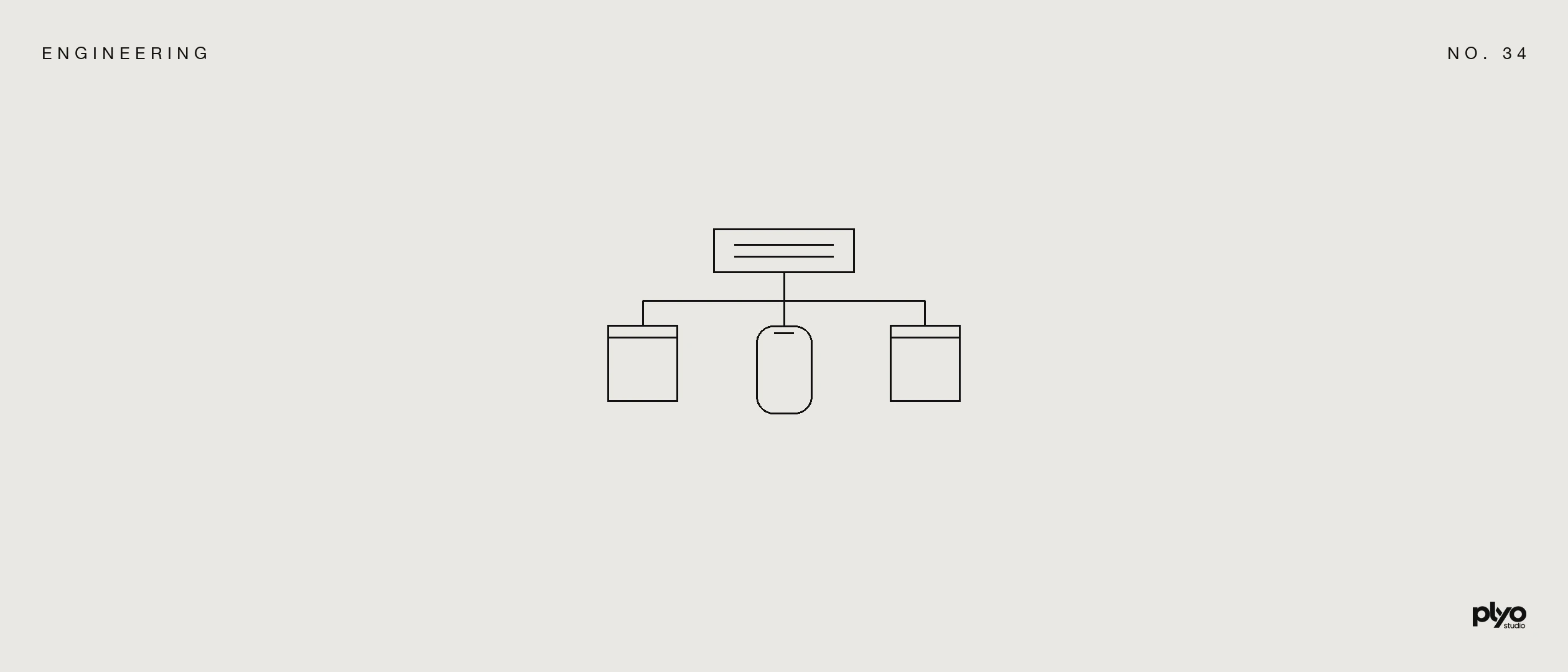
In a headless CMS, the post is just structured data: a title, a body, an author, a date, a cover image. Your website requests it and renders it. So does your app, your email newsletter and the screen in reception, all from one source.
When headless is worth it
- The same content appears in more than one place. A website and a mobile app. A website and a customer portal.
- Your content has real structure. Products with variants, properties with coordinates, events with venues. Things a page editor models badly.
- You want the front end free. Rebuild or redesign the site without migrating content, because the content was never inside the site.
- Several teams write. Proper roles, review workflows and scheduling.
When it is not
- A five page brochure site. The setup cost buys you nothing.
- A team that wants to see the page while they edit it. Headless editors show fields, not pages. Some people find that abstract and quietly stop using it.
- No developer available. Headless assumes someone builds the front end. That is the whole point of it.
For most marketing sites, a visual CMS like Webflow is the better buy, because the people editing can see what they are changing.
What it looks like in practice
We often pair a headless CMS with Astro. The content lives in something like Sanity or Storyblok. At build time Astro pulls it and writes out plain HTML pages. The visitor gets a static page that loads instantly, and the client gets a proper editing interface.
The trade is that content changes need a rebuild, which takes a minute or two and happens automatically when someone hits publish. For a site that updates a few times a week, nobody notices. For a live price feed, that model is wrong and you want rendering on demand instead.
Picking one
The main options behave quite differently.
| System | Suits | Watch for |
|---|---|---|
| Sanity | Complex, deeply structured content | The editor needs configuring, it is not off the shelf |
| Storyblok | Marketing teams who want a visual preview | Pricing climbs with users and spaces |
| Contentful | Larger organisations, strong governance | The most expensive of the three |
| Markdown in the repo | Developer written docs and posts | No interface for non technical staff |
The right question is not which is most capable. It is which one your team will still be using in a year.
If you are weighing this up, tell us where your content needs to appear and we will say honestly whether headless is worth it.